From Design to Maintenance: Full-Service Landscaping Offerings and Their Perks
Landscaping services serve a vital function in transforming outdoor areas. They encompass everything from initial design to ongoing maintenance. Skilled landscaping can significantly boost a property's visual appeal and worth. Furthermore, it cultivates a harmonious relationship between the natural world and built structures. That said, the procedure demands meticulous organization and assessment of numerous components. Appreciating how each aspect supports a flourishing landscape can expose remarkable rewards that might not be readily visible.
The Essential Role of Landscaping
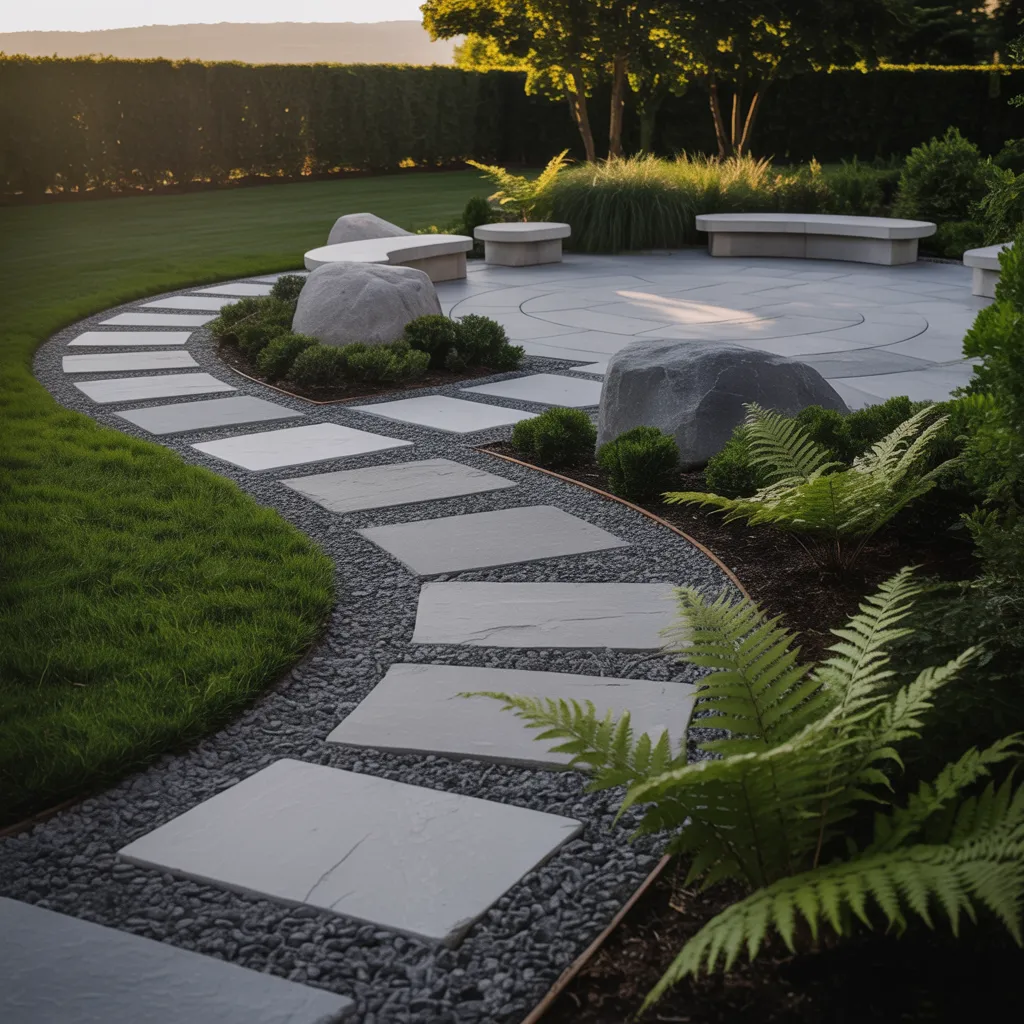
Landscaping is a key factor in enhancing both the aesthetic appeal and functional value of a property. A thoughtfully planned landscape not only enhances the architecture but also establishes a welcoming environment that can enhance the overall impression for occupants and visitors alike. Thoughtfully arranged plants, trees, and pathways can improve outdoor usability, providing spaces for recreation and relaxation.
Furthermore, well-planned landscaping promotes environmental sustainability. Locally adapted plants are able to lower water usage while fostering biodiversity, while strategically placed trees can offer shade, thereby decreasing energy costs. In commercial properties, attractive landscaping can enhance brand image, attracting more customers and increasing property value.
In addition, a carefully maintained landscape can deter pests and reduce erosion, encouraging a more balanced environment. Ultimately, the value of landscaping reaches well past visual appeal; it acts as a crucial part in creating efficient, lasting, and beautiful outdoor spaces that positively impact both individual properties and the community at large.
How the Design Process Converts Vision Into Reality?
A successful design workflow converts conceptual ideas into concrete outdoor spaces that enhance properties. This process starts by recognizing the client's needs, priorities, and the unique characteristics of the property. Skilled designers conduct site assessments, accounting for aspects such as sun exposure, soil type, and water drainage, which are vital for creating a practical and visually appealing environment.
In the next phase, designers utilize sketches and digital tools to bring concepts to life, giving clients a clear view of potential layouts and design features. This collaborative phase promotes open feedback, ensuring the design aligns with the client's expectations.
Once the design is finalized, thorough plans are drawn up, detailing materials and building methods. This meticulous preparation sets the stage for a seamless installation process.
In the end, the creative process not only translates visions into reality but also cultivates a sense of ownership in property owners, enhancing their connection to the newly created outdoor environment.
Choosing the Right Plants for Your Landscape
What is the best way to choose the right plants for a landscape? Choosing the right plants starts with a thorough understanding of the local climate and soil conditions. Since various plants flourish in different environments, understanding hardiness zones and soil pH levels is essential. Additionally, considering sunlight exposure—whether full sun, partial shade, or full shade—helps in choosing appropriate species.
A further significant aspect is the planned function of the landscape. As an copyrightple, decorative plants can improve visual appeal, while indigenous plants can support biodiversity and demand minimal upkeep. It is also vital to copyrightine the development habits and proportions of plants to ensure they integrate seamlessly into the area.
To conclude, considering seasonal variation—by way of flowers, foliage, or bark—allows for a visually engaging outdoor space year-round. When these aspects are brought together, you can establish a garden that is not only beautiful but also sustainable and functional.
The Ways Hardscaping Elevates Your Landscape Design?
Incorporating hardscaping components such as patios, walkways, and retaining walls significantly enhances landscape design. Such elements offer structure and functionality, breaking up the natural elements of a yard while improving aesthetic appeal. Patios establish welcoming outdoor areas for relaxation and entertainment, seamlessly blending outdoor and indoor living. Walkways guide guests through the yard, guaranteeing visual flow and ease of access, while also reducing soil erosion. Retaining walls provide additional info both support and visual interest, enabling terraced gardens that expand planting opportunities in hilly areas.
Moreover, hardscaping materials such as stone, brick, and concrete add texture and durability, complementing the organic features of plants. This blend cultivates a harmonious environment, establishing balance between rigid and natural components. In the end, hardscaping not only improves the visual appeal of an outdoor space but also enhances its usability, rendering outdoor areas more pleasant and useful for everyone.
Ways to Keep Your Landscape Flourishing All Year Long?
Preserving a lush landscape throughout the year requires regular upkeep and dedication. Shifts in seasons can significantly affect plant health, making it important to customize upkeep methods based on seasonal demands. Frequent hydration, especially during periods of drought, allows plants receive adequate hydration. Mulching helps retain moisture and suppress weeds, while regular trimming supports strong development and flower production.
Fertilization needs to be modified based on specific plant needs and seasonal cycles. In spring, a balanced fertilizer promotes growth, while autumn applications help condition plants for the winter months. Furthermore, keeping a close watch for pests and diseases is critical; identifying issues early can help avoid extensive damage.
Weeding ought to be performed regularly, as it decreases the competition between plants for water and nutrients. Additionally, incorporating native plants can enhance resilience, as these species are better adapted to local conditions. By adhering to these recommendations, homeowners can achieve a thriving outdoor space that continues to look beautiful and remain healthy year-round.
How Landscaping Services Boost Property Value?
While various aspects impact a property's overall value, expert landscaping solutions serve a critical function in enhancing curb appeal and marketability. A thoughtfully crafted landscape not only creates an inviting atmosphere but also reflects careful maintenance, suggesting to interested buyers that the property has received consistent attention. Elements including manicured lawns, strategically placed trees, and colorful flower beds can greatly elevate first impressions.
Furthermore, landscaping has the ability to expand usable outdoor space, making properties highly suitable for social gatherings and leisure activities. Strategic landscaping can further improve overall energy performance by offering natural shade and lowering temperature control expenses. Studies have shown that residences with quality landscaping can achieve a return on investment of up to 15% more than similar properties lacking landscaping. Overall, investing in landscaping services is a strategic move that can produce significant long-term financial rewards for property owners seeking to enhance their home's value.
How Landscaping Services Encourage Sustainability?
Landscaping solutions serve a vital function in fostering sustainable practices through the deliberate application of native plant species and advanced water management strategies. By utilizing native plant varieties, these providers strengthen ecological biodiversity while decreasing dependence on synthetic fertilizers and pesticides. Additionally, responsible water stewardship practices help to limit unnecessary water consumption, ensuring that outdoor spaces flourish with a reduced ecological footprint.
Native Plant Usage
The use of native plants in landscaping services serves as a cornerstone for advancing sustainable practices within regional ecosystems. By embracing locally occurring plant species, horticultural specialists strengthen biological variety, enabling indigenous plants to flourish in harmony with native fauna. This practice reduces the need for synthetic fertilizers and chemical treatments, as locally sourced plants are inherently suited to area-specific growing conditions. In addition, they often require less maintenance, alleviating the burden on resources and labor. Horticultural professionals who champion native flora support soil integrity and guard against land degradation, nurturing a sustainable and durable landscape. In addition, indigenous flora can combat urban heat islands and elevate air standards, creating healthier communities. In conclusion, native plant utilization not only benefits the landscape but also supports ecological balance and sustainability.
Water Conservation Techniques
Water conservation techniques play a vital role in sustainable landscaping practices. Landscaping services promote sustainability by implementing methods such as drip irrigation and rainwater harvesting. Drip irrigation systems deliver water directly to plant roots, minimizing evaporation and runoff. Additionally, professional landscapers often design rain gardens that absorb excess rainwater, reducing the need for supplemental irrigation. Mulching is another technique employed to retain soil moisture and suppress weeds, further enhancing water efficiency. By choosing drought-hardy plants, landscaping services can establish vibrant, low-water landscapes that prosper in diverse climates. These practices not only conserve water but also contribute to lower utility costs and healthier ecosystems, ensuring that landscapes remain sustainable and resilient in the face of changing environmental conditions.

Frequently Asked Questions
What Credentials Should I Seek in a Landscaping Service Provider?
When selecting a landscape service professional, you should consider qualifications such as portfolio quality, certifications, customer reviews, experience, and familiarity with local flora. Such criteria ensure professionalism, expertise, and a commitment to quality landscaping services.
How Long Does a Typical Landscaping Project Take to Complete?
An average landscaping project may last anywhere from a few days to several weeks, depending on the project's complexity, size, and specific requirements. Factors such as weather and material availability may also influence the timeline.
What Is the Average Cost of Comprehensive Landscaping Services?
The average cost of comprehensive landscaping services commonly falls from $3,000 to $15,000, based on project scope, chosen materials, and regional location. Homeowners ought to evaluate their particular requirements and available budget when planning such services.
Are Landscaping Services Able to Address Local Climate Considerations?
Landscaping services can successfully manage local climate considerations by selecting suitable plants, integrating optimized irrigation methods, and designing spaces that enhance temperature regulation. This tailored approach fosters sustainable environments that flourish under particular weather patterns.
Are Warranties or Guarantees Provided for Landscaping Services?
Several lawn care providers extend assurances and warranties on their services, ensuring customer satisfaction. These warranties often cover plant survival, workmanship, and materials, differing based on the contractor and scope of work, ultimately reassuring clients of quality results.